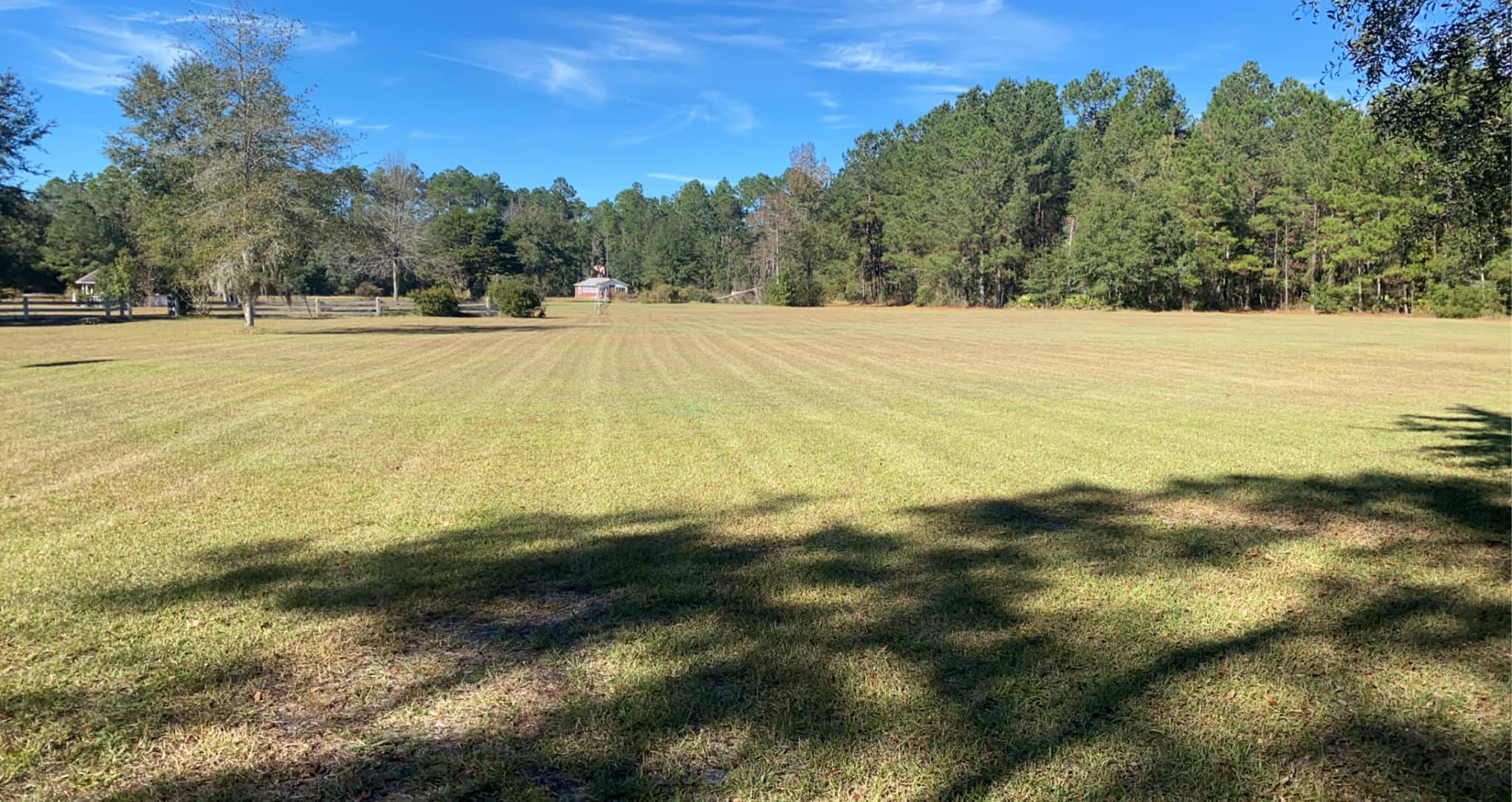
The Magic of Edible Landscapes: Blending Beauty with Bounty in Your Backyard May 07, 2026
Starting with an edible landscape means thinking strategically about plant selection and placement. It's essential to choose plants suited to your climate, soil type, and the amount of sunlight your garden receives. Options include fruit trees like apple or pear that not only offer delicious harvests but also attract pollinators with their blossoms. Imagine stepping outside in the spring to a flurry of delicate apple blossoms and later the satisfying crunch of fresh apples plucked from your own tree.
Incorporating edible shrubs, such as blueberries or currants, is another excellent option. These shrubs are not only attractive with their colorful foliage and flowers, but they also produce juicy berries packed with vitamins. Bushy herbs like rosemary and lavender can double as fragrant borders, releasing delightful aromas every time you walk past. Let’s not forget vegetables—ornamental kale and Swiss chard with their flashy colors add eye-catching visual interest while offering fresh greens for your salads.
To create a cohesive edible landscape, consider the principles of landscape design. Balance plant textures and colors to create layers and depth in your garden. For instance, pair the soft, lacy foliage of carrots with the bold broad leaves of rhubarb. Vertical gardening is also a clever strategy, using trellises for vine vegetables such as tomatoes and cucumbers, which maximizes space and contributes to a lush, green environment.
Soil health is vital for any gardening success, especially when growing edibles. Enrich your garden beds with organic compost to ensure your plants receive the nutrients necessary to thrive. Regular mulching helps retain soil moisture and suppresses weeds, reducing the need for chemical interventions. By emphasizing organic practices, both your plants and the local ecosystem benefit, promoting a garden that's both productive and environmentally friendly.
The magic of edible landscaping doesn’t stop at functionality. It fosters a deeper connection with nature. By engaging with your garden, you can understand the rhythms and cycles of plant growth, which is therapeutic and educational. Children, too, love the experience of watching a plant go from seed to full-grown producer of fruits or vegetables, fostering a love for horticulture and healthful eating.
As we conclude, remember that whether your yard is large or small, T&S Land Management Services can guide you in designing and implementing an edible landscape that suits your lifestyle and aesthetic preferences. Each plant you grow not only enhances the beauty of your space but also contributes to a sustainable lifestyle by reducing your carbon footprint and reliance on store-bought produce.
Integrating edible plants into your landscape is a rewarding endeavor that provides both visual pleasure and practical benefits. Start planning your edible oasis today and experience the joy that comes from blending beauty with bounty right in your own backyard.
/filters:no_upscale()/filters:format(webp)/media/feb94fe7-ee93-488e-901b-2ccc1b1fe358.jpeg)